Bleach Mirrors High Announced: How to Join the Closed Beta Right Now
Just when fans thought the hype for Bleach: Thousand-Year Blood War – The Calamity couldn't get any higher ahead of its July 25th premiere, Tite Kubo and Bandai Namco absolutely blindsided the anime community at Anime Expo 2026. Taking the stage during a massive panel, they officially unveiled Bleach: Mirrors High, a brand-new, immersive action game coming to mobile platforms later this year.
This isn't just another casual mobile cash-grab. The bombshell announcement confirmed that Bleach: Mirrors High takes place entirely after the events of the Thousand-Year Blood War arc. For years, fans have been desperate for more content exploring the immediate fallout of the Quincy war, and it looks like this game is stepping up to bridge that gap with a canonical story partly tied straight to the main manga lore.
Tite Kubo's Intense Hands-On Involvement According to a special statement released by Tite Kubo himself, the legendary creator has been deeply embedded in the game’s development since the very first kickoff meeting. Kubo didn’t just license out his characters; he personally oversaw the title creation, wrote the scenario framework, designed the custom minimalist logo, and sat in on the voice-acting audition sessions.
In fact, Kubo admitted he got so carried away and excited during production that he ended up designing significantly more new characters than Bandai Namco originally requested.
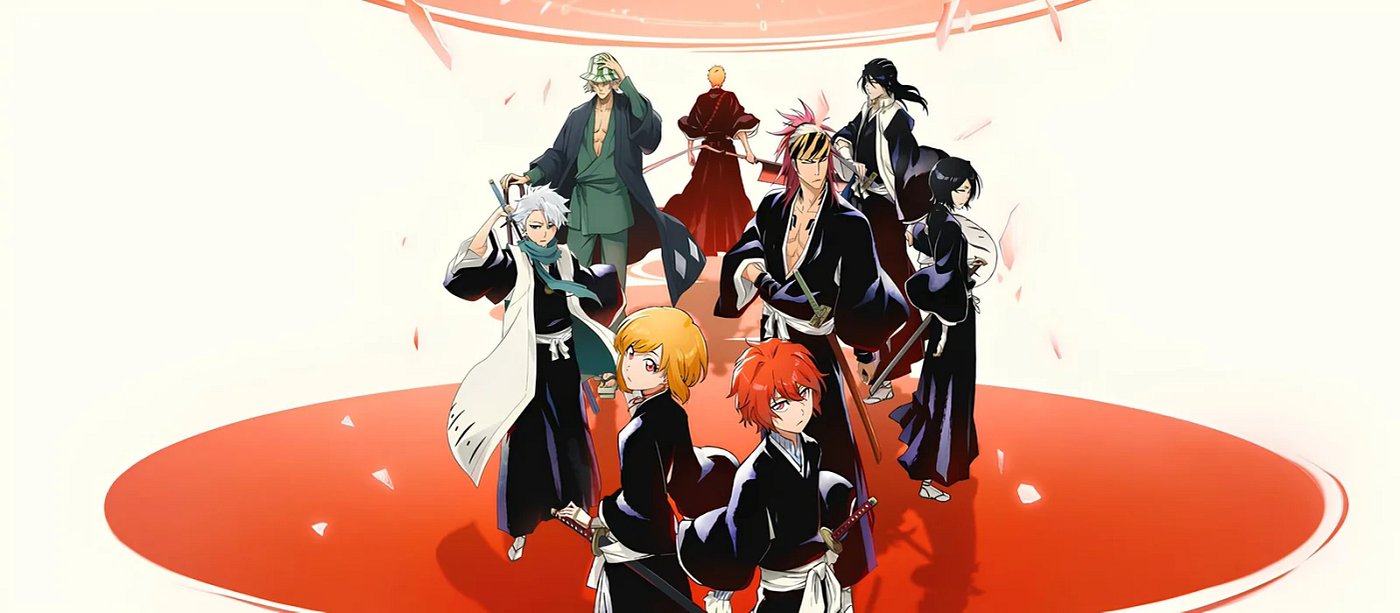
Meet the New Soul Reapers: Shirin and Shirane Instead of just rehashing Ichigo Kurosaki's journey from the beginning, Bleach: Mirrors High shifts the lens to an entirely fresh perspective. The narrative begins in Karakura Town, where a lone soul suddenly awakens and sets off on a path to join the 13 Court Guard Squads.
Players will step into the shoes of two dual protagonists designed entirely by Kubo:
-
Shirin Migishima: A striking new Soul Reaper anchoring the center of the fresh narrative.
-
Shirane Sanari: The counterpart protagonist destined to navigate the fractured post-war world.
Don't worry about missing your legacy favorites, though. The announcement confirmed that Ichigo, Rukia, Renji, Byakuya, Toshiro, and Urahara are all heavily woven into the story and key artwork, guiding these new recruits through the hazardous landscape of a changing Soul Society.
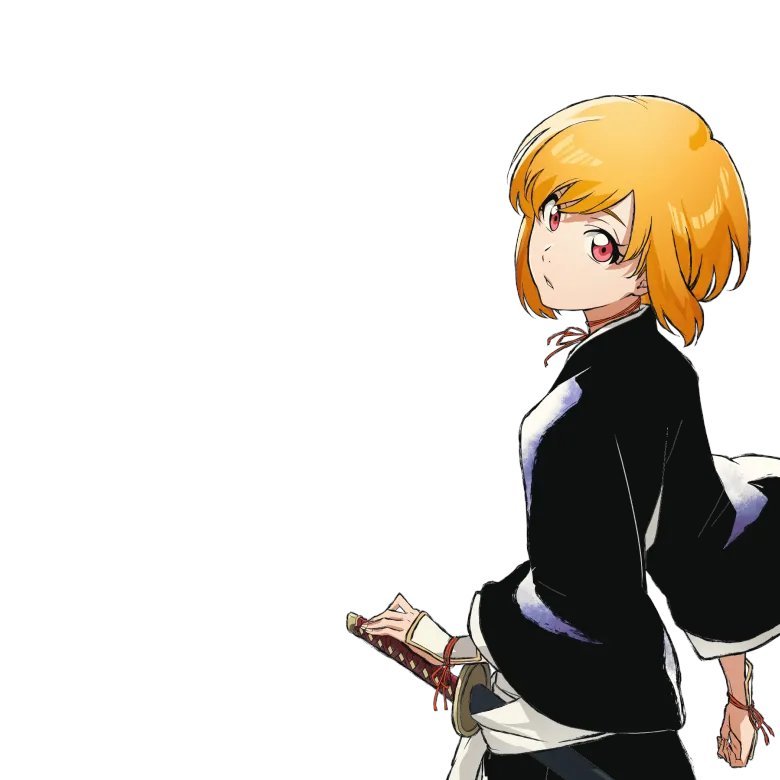
How to Play Early: Closed Beta Registration Details Bandai Namco isn't making fans wait long to get their hands on the gameplay. Alongside the reveal trailer, they officially opened up global applications for the first Closed Beta Test (CBT), giving 20,000 lucky players the first chance to test out the immersive 13 Court Guard Squads action.
If you want a chance to jump into the action early, here are the vital details you need to know:
-
Application Deadline: Sign-ups are live on the official website right now and will remain open until July 12, 2026 (7:59 P.M. PDT).
-
Beta Schedule: The test will officially run from July 22, 2026, to July 29, 2026.
-
Supported Platforms: The beta is available globally across iOS (iOS 17.0+ with 4GB RAM minimum) and Android (Android 12.0+ with 6GB RAM minimum) devices.
-
Supported Languages: The test will fully feature English, Japanese, French, German, Korean, and Traditional Chinese.
With the Thousand-Year Blood War anime reaching its absolute peak this summer and Mirrors High expanding the lore right behind it, it is a phenomenal time to be a Bleach fan.
Are you going to sign up for the Bleach: Mirrors High closed beta? What do you think about Tite Kubo introducing brand-new characters to the post-war timeline? Let us know your thoughts in the comments below!
The Culling Game Begins: Jujutsu Kaisen Season 3 Ending Explained & Season 4 Setup
The Shibuya Incident left the world of jujutsu in absolute ashes, but Jujutsu Kaisen Season 3 (The Culling Game Part 1) took the chaos to a terrifying new level. Over its intense run, MAPPA delivered brutal clan politics, jaw-dropping executions, and the official kickoff to Kenjaku’s deadly ritual.
With Season 3 wrapped up and Season 4 (The Culling Game Part 2) already officially announced, fans are frantically searching for answers. What did that massive finale mean for our favorite sorcerers, and where does the story go from here?
🚨 MASSIVE SPOILER WARNING: Full spoilers ahead for the entirety of Jujutsu Kaisen Season 3. If you aren't caught up on the finale, turn back now!
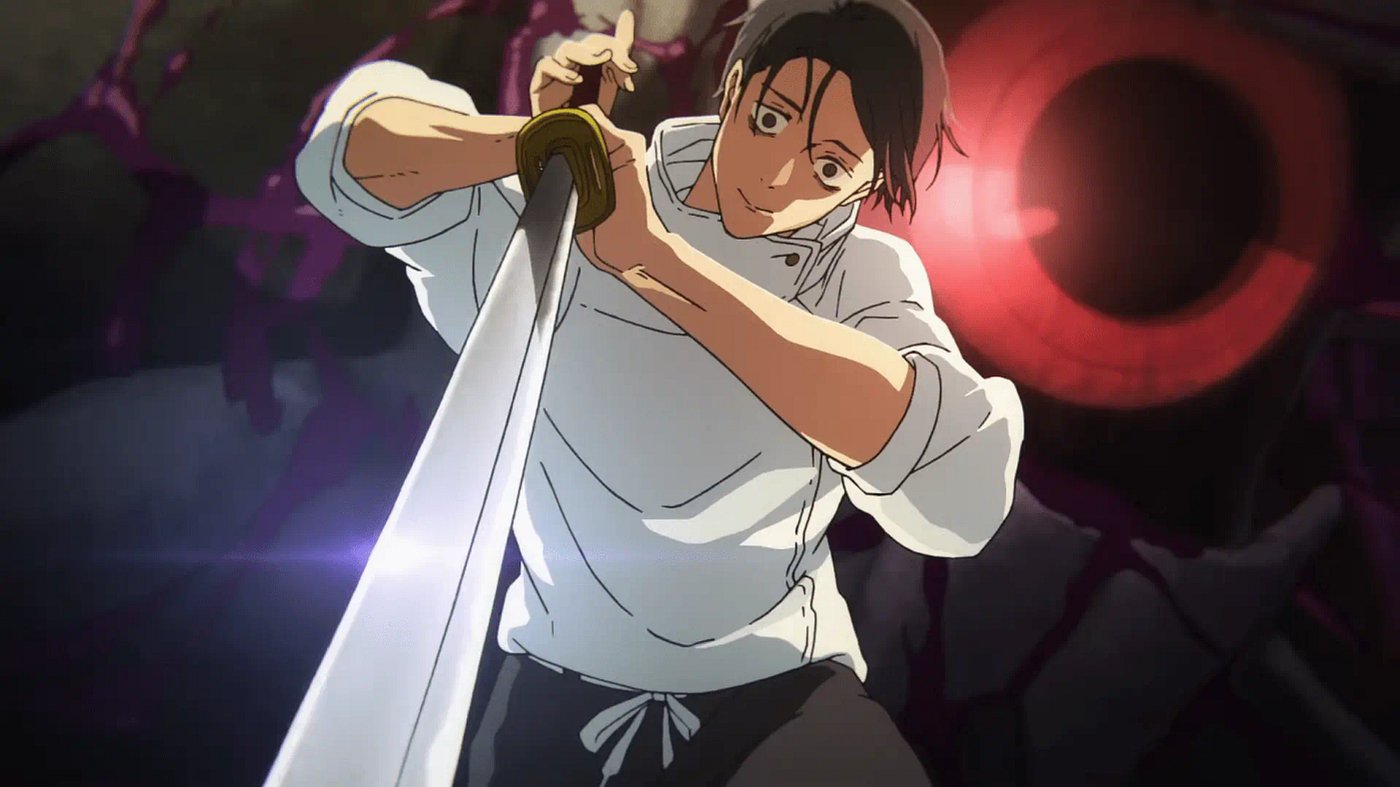
Yuta Okkotsu’s True Colors: The Executioner Fakes It The season kicked off with intense tension as Special Grade sorcerer Yuta Okkotsu returned to Japan with a singular, terrifying mission: execute Yuji Itadori. For several episodes, the dread was palpable—especially when Yuta successfully pierced Yuji's heart.
However, the major twist revealed that Yuta was playing 4D chess. Bound by a strict Binding Vow with the higher-ups to "kill" Yuji, Yuta technically fulfilled the contract by stopping Yuji's heart, only to immediately revive him using Reverse Cursed Technique (RCT). It turns out Satoru Gojo had personally requested Yuta to look after the first-years if anything ever happened to him.
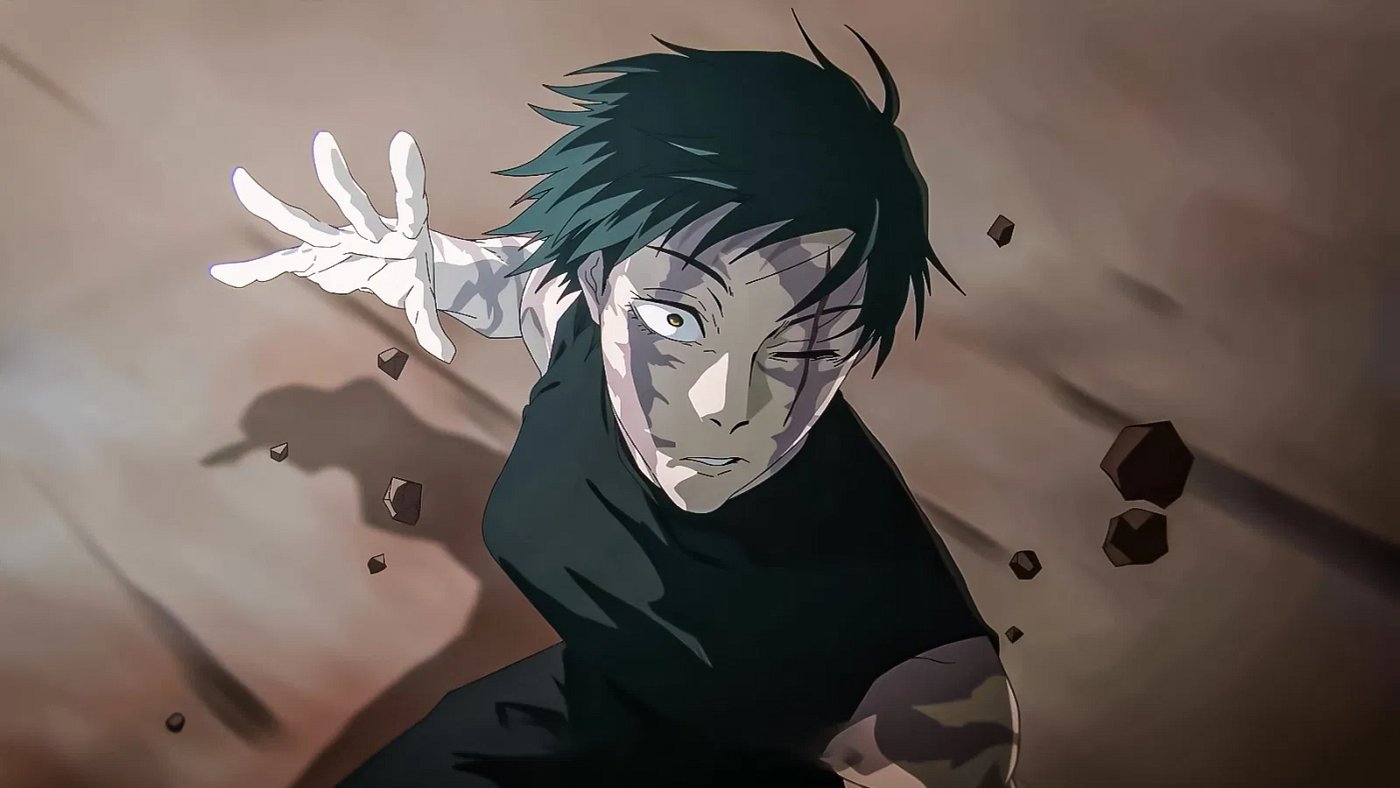
The Fall of the Zen’in Clan: Maki Transcends Easily the most visceral and talked-about sequence of Season 3 was the complete and utter annihilation of the Zen'in Clan. When Maki returned to the clan's vault to retrieve cursed tools, she was met with a deadly trap orchestrated by her own father and the ruthless Naoya Zen'in.
The emotional peak of the arc saw Mai sacrifice her own life to save her twin. Because twins are viewed as a single entity in jujutsu restriction, Mai’s death completely severed Maki's remaining cursed energy, unleashing her full Heavenly Restriction.
-
The Result: Maki emerged with physical prowess identical to the legendary Toji Fushiguro.
-
The Aftermath: Carrying out Mai's final wish to "destroy everything," Maki effortlessly massacred the elite units of the Zen'in clan, cementing her place as one of the most dangerous forces alive.
The Execution of Principal Yaga In a tragic fallout of the Shibuya post-incident politics, Principal Masamichi Yaga was sentenced to death under the suspicion that he was intentionally creating an army of autonomous cursed corpses like Panda. Denying the higher-ups the secret to his technique until his final breaths, Yaga was executed by Principal Gakuganji. The heartbreaking scene of Panda discovering his creator's body left a massive emotional scar on the fanbase.
Recruiting the Wildcards: Hakari and Kirara With the Culling Game officially looming, Yuji and Megumi shifted focus to building a resistance network. This led them into the underground world of an illegal sorcerer fight club to recruit Kinji Hakari, a suspended third-year student with volatile cursed energy, alongside his brilliant tactical partner Kirara Hoshi.
Megumi’s fight against Kirara’s complex "Southern Cross" technique highlighted the chess-match style of combat that defines this arc, ultimately winning over the third-years to join their cause.
The Season 3 Finale Explained: Setting the Board The final episode wrapped up with the core team dividing and conquering to infiltrate the Culling Game colonies. The goals are simple but incredibly high-stakes:
-
Earn enough points within the game to add new rules.
-
Protect the innocent civilians trapped inside the barriers.
-
Find a way to free Satoru Gojo from the Prison Realm.
As the barriers went up and Kenjaku’s evolutionary ritual officially commenced, the season ended on a razor-sharp cliffhanger, leaving anime-only viewers desperately asking what comes next.
What to Expect in Jujutsu Kaisen Season 4 (The Culling Game Part 2) The teaser trailer for Season 4 has already sent shockwaves through the community. While Season 3 was about gathering allies and navigating the fallout of Shibuya, Season 4 will be an all-out battle royale.
Fans can expect to see Yuta Okkotsu enter the lethal Sendai Colony, Yuji and Megumi facing off against ancient sorcerers reawakened in the modern era, and the payoff to Hakari’s mysterious, high-stakes Cursed Technique. The game has officially begun, and the survival rate for our favorite characters is dropping by the minute.
What was your favorite moment of Jujutsu Kaisen Season 3? Do you think Maki handled the Zen'in clan justly, or did she go too far? Let us know your theories for Season 4 in the comments below!
From Shadows to Streets: The Hidden Truth of Modern Urban Yōkai Aesthetics
Introduction: The Deities Living Among the Neon
For most, Japanese folklore conjures images of ancient shrines, deep forests, and samurai-era battles. But if you walk the streets of Tokyo at 2:00 AM, the true nature of Japanese spirituality reveals itself not in the temples, but in the vending machines, the flickering neon signs, and the silent commuters on the last train. The "Yōkai"—those supernatural entities that once haunted the wild—never left. They simply migrated to the city, evolving into the Urban Yōkai.
While many know the classic Oni or the Kitsune, few understand the profound evolution of these spirits as they navigate our modern, tech-driven world. This is the story of how Japanese mythology is currently defining the "Streetwear Aesthetic," turning forgotten legends into the most powerful visual language of our decade.
The Shift: When Folklore Met the Metropolis
The ancient Yōkai were manifestations of the unknown—the fear of the dark, the mysterious sound in the wind. Today, the "Urban Yōkai" represent the anxieties and charms of city life.
Take the Kappa, once a water imp lurking in rivers. In the modern Tokyo narrative, the Kappa isn't dragging people into muddy waters; it’s the guy at the convenience store, tired after a double shift, looking for a snack. It’s the Tsukumogami—spirits that inhabit objects that reach 100 years of age—now manifested in our discarded electronics and obsolete gaming consoles. By grounding these entities in the mundane, we bridge the gap between ancient respect and modern isolation.
Why Urban Yōkai is the New "Folklore-Core"
The obsession with "Folklore-Core" is driven by a desire for connection. We live in a world of digital noise. The Yōkai, conversely, represent a return to the tactile and the mysterious. When you wear an Urban Yōkai design—like a Tanuki playing a handheld game or a masked spirit riding the subway—you aren't just wearing an anime graphic. You are wearing a narrative of "Supernatural Normalcy."
This aesthetic resonates because it captures the feeling of being an "outsider" in a big city. It’s for the night owl, the gamer, and the anime enthusiast who feels that there is more to the world than what meets the eye.
Curating Your Aesthetic: Bringing the Legend Home
If you want to embody this trend, look for designs that treat the spirit as an equal, not as a monster.
-
The Subtle Shift: Look for artwork where spirits interact with tech. The contrast between a traditional kimono and a pair of modern high-tops, or a spirit wearing noise-canceling headphones, creates that "Modern Tokyo" tension that is highly sought after by collectors.
-
The Palette: Move away from pure black-and-white. The modern Urban Yōkai aesthetic thrives on "Neon-Noir." Think deep purples, radioactive greens, and bright, jarring pinks against a charcoal streetwear base.
Conclusion: The Guardian at the Doorstep
At Animeneax, we believe these stories are the soul of our designs. We aren't just selling apparel; we are curating the modern folklore of the 2020s. Whether it’s the mystery of a midnight train or the comforting presence of a digital deity, the Urban Yōkai are a reminder that the world is still full of wonder, even in the middle of a concrete jungle.
Next time you hear a strange sound in your apartment or see a flickering light down the street, don't be afraid. It’s just the city, and the Urban Yōkai, living their lives right alongside you.
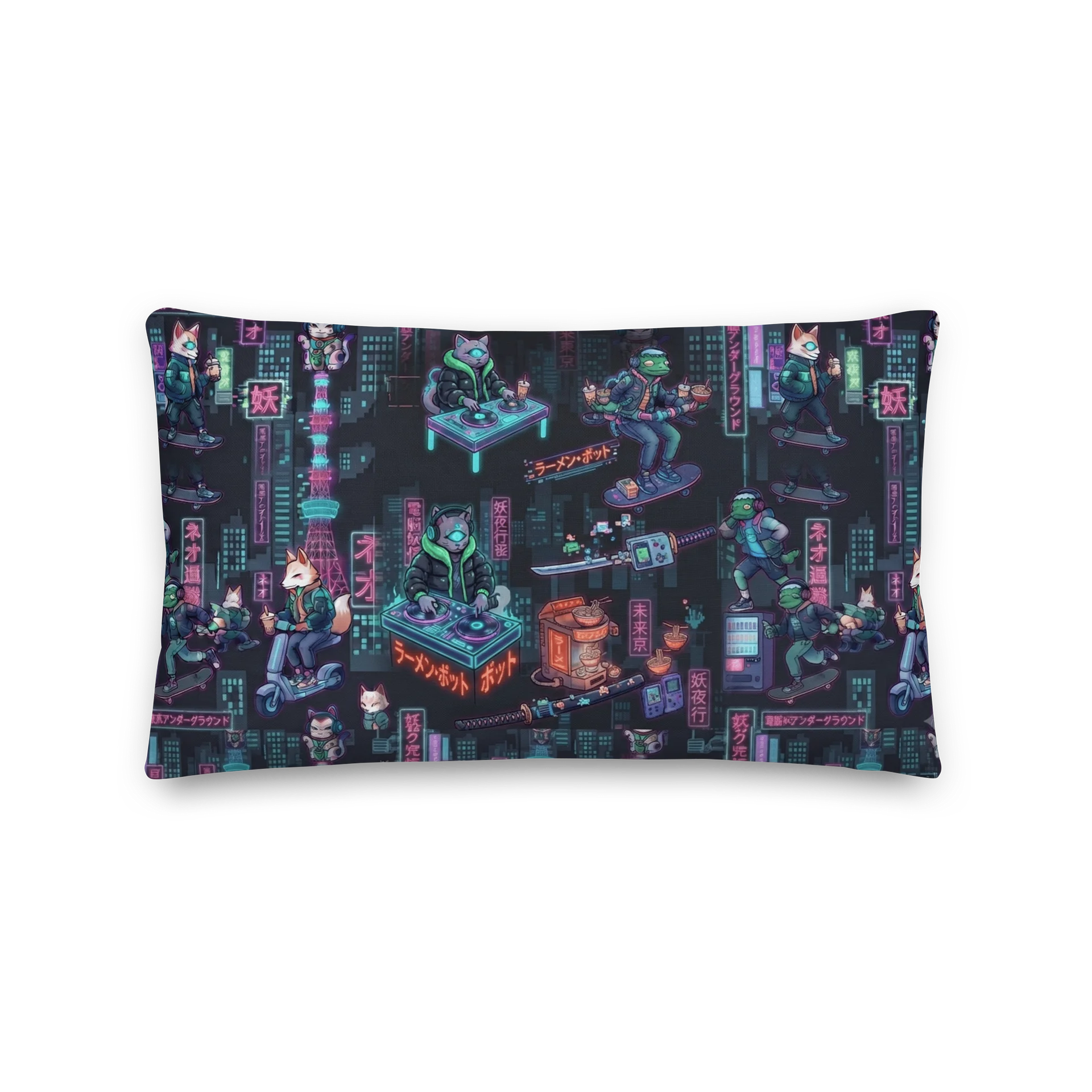
Urban Yōkai Neon Cyberpunk Decorative Throw Pillow
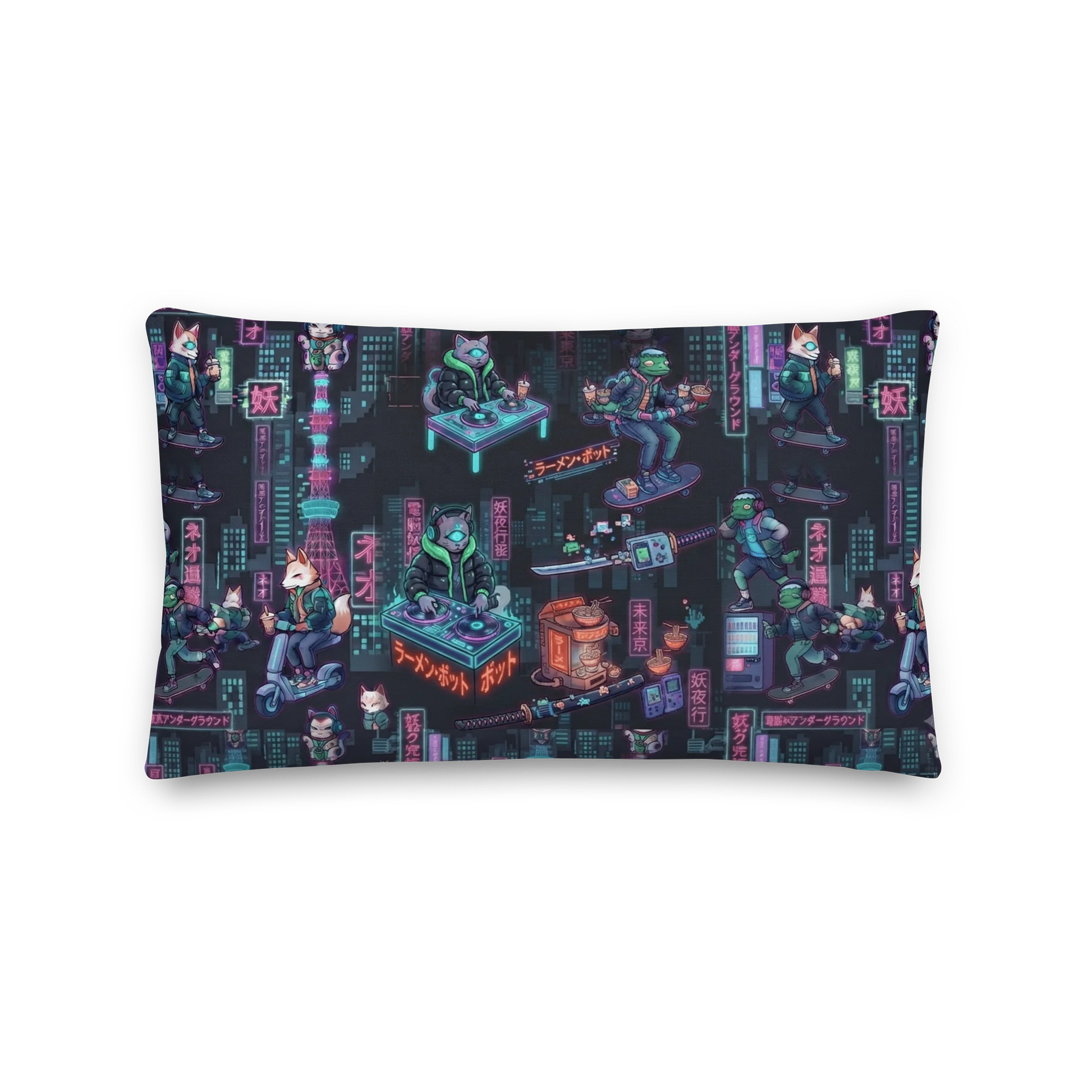
Transform your living space with a functional masterpiece inspired by the vibrant energy of neon-drenched cityscapes and cybernetic folklore. This premium throw pillow features a stunning design showcasing glowing Yōkai characters, digital ramen shop motifs, and futuristic kanji accents across a deeply textured dark cyberpunk backdrop, as seen in 5255a8b7-054a-40ac-b0e1-4de5d2678049.jpg. Blending bold, contemporary street-culture sensibilities with modern home decor, this pillow turns your sofa or favorite chair into an effortless statement of digital art.
Crafted with premium materials and a plush fill, it offers excellent comfort and support for relaxing at home without sacrificing style.
Key Features & Everyday Benefits:
-
Vibrant High-Definition Print: Vivid sublimation printing captures the intricate cyberpunk artwork with rich, continuous detail across the fabric.
-
Plush & Comfortable Profile: Engineered to provide a soft, supportive feel, perfect for enhancing your lounging experience.
-
Durable Home Decor: Made with resilient materials designed to maintain their shape and vibrant colors through daily use.
-
Versatile Subculture Styling: Designed to perfectly coordinate with modern gaming setups, minimalist street-wear inspired interiors, or your existing collection of cyberpunk and urban anime merchandise.
Urban Yōkai Neon Cyberpunk Decorative Throw Pillow Size Guide
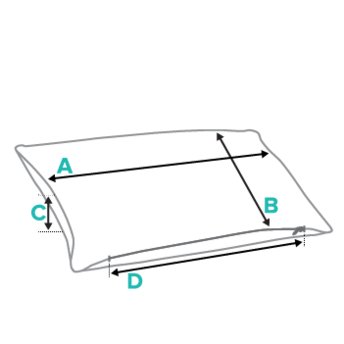
| Size label | A | B | C | D |
|---|---|---|---|---|
|
18″×18″
|
17.72
|
17.72
|
4.92
|
15.35
|
|
20″×12″
|
19.69
|
11.81
|
4.92
|
16.93
|
|
22″×22″
|
225
|
225
|
6.1
|
18.9
|
Defining the Decade: Groundbreaking Anime of the 2020s
The 2020s have proven to be a transformative era for anime, shifting from a niche interest to a massive global cultural force. As we approach the middle of the decade, several series have stood out—not just for their popularity, but for how they have challenged genre conventions and elevated the medium’s storytelling and visual standards.
The New Standard-Bearer of Fantasy: Frieren: Beyond Journey’s End
Rarely does a series capture the community's heart as quickly as Frieren. By focusing on the quiet, melancholic aftermath of a hero’s journey rather than the battle itself, it has become a "standard-bearer" for modern fantasy. Its success proves that audiences are eager for character-driven narratives that emphasize emotional depth and the passage of time over traditional "leveling up" tropes.
Redefining Shonen Action: Jujutsu Kaisen
Jujutsu Kaisen is arguably one of the most mainstream anime of the decade, noted for its incredible animation and gripping, high-stakes combat. Its weekly impact on social media and its ability to turn intense, multi-episode fights into "must-see" events have made it a benchmark for how modern battle shonen are consumed and discussed online.
Genre-Bending Creativity: Odd Taxi & Chainsaw Man
The 2020s have celebrated "weird" and unique storytelling. Odd Taxi was widely acclaimed for its Tarantino-esque writing, mystery, and anthropomorphic art style, proving that unconventional premises can capture massive audiences through word-of-mouth. Similarly, Chainsaw Man has become a cultural phenomenon by blending ultra-violence and juvenile humor with a raw, cinematic edge that separates it from its contemporaries.
The Rise of "Adulting" and Slice-of-Life: Bocchi the Rock! & The Apothecary Diaries
This decade has seen a surge in "adulting" anime that resonate with older audiences. Bocchi the Rock! took the music anime genre and successfully paired it with a deeply relatable portrayal of social anxiety, while The Apothecary Diaries introduced Maomao, a character now hailed as one of the best female protagonists in anime history for her wit and medical expertise.
High-Concept Storytelling: 86 and Cyberpunk: Edgerunners
86 is frequently cited for its success as an anti-fascist war epic that manages to be both thoughtful and grand in scale. Meanwhile, Cyberpunk: Edgerunners demonstrated the power of a standalone, visually arresting sci-fi tragedy, delivering a punchy narrative that left a lasting emotional impact on its viewers.
The Legend of the Oni: From Folklore to Streetwear
The Oni is one of the most iconic figures in Japanese folklore, traditionally depicted as a powerful, ogre-like demon with horns and sharp fangs. While ancient stories often painted them as malevolent creatures that brought disaster or disease, modern interpretations are far more nuanced, often viewing them as symbols of protection and strength.
In traditional Japanese culture, Oni masks were used in theatrical performances like Noh, where they represented intense emotion and supernatural power. Today, the Oni has transcended its origins, becoming a staple of contemporary aesthetics. The mask’s aggressive, bold features align perfectly with the "dark aesthetic" of streetwear, turning an ancient guardian into a modern style statement.
At Animeneax, we have captured this duality by combining the historic Oni mask design with the comfort and utility of modern apparel. It is more than just a piece of clothing; it is a way to carry the spirit of Japanese legend in your everyday wardrobe.
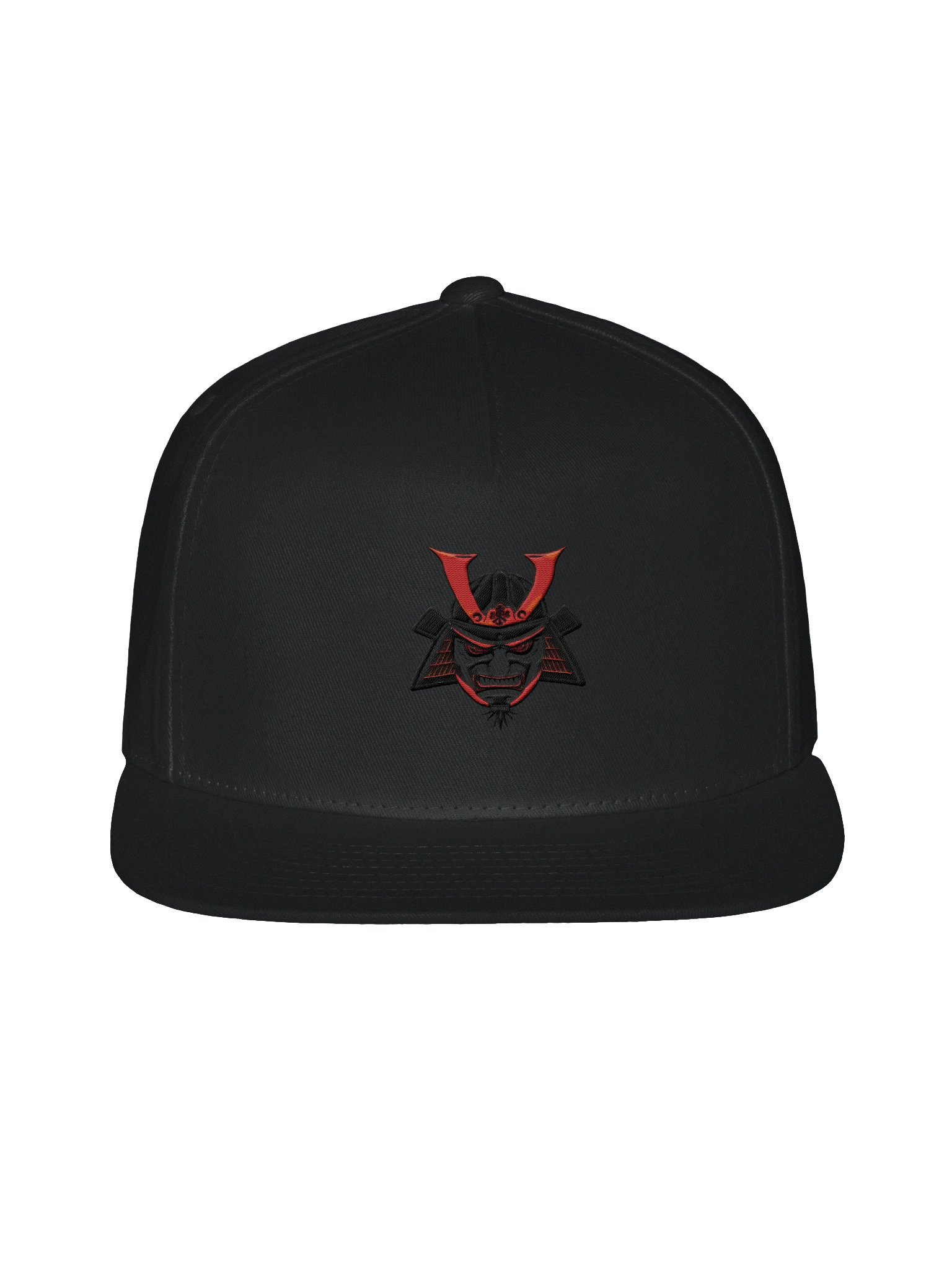
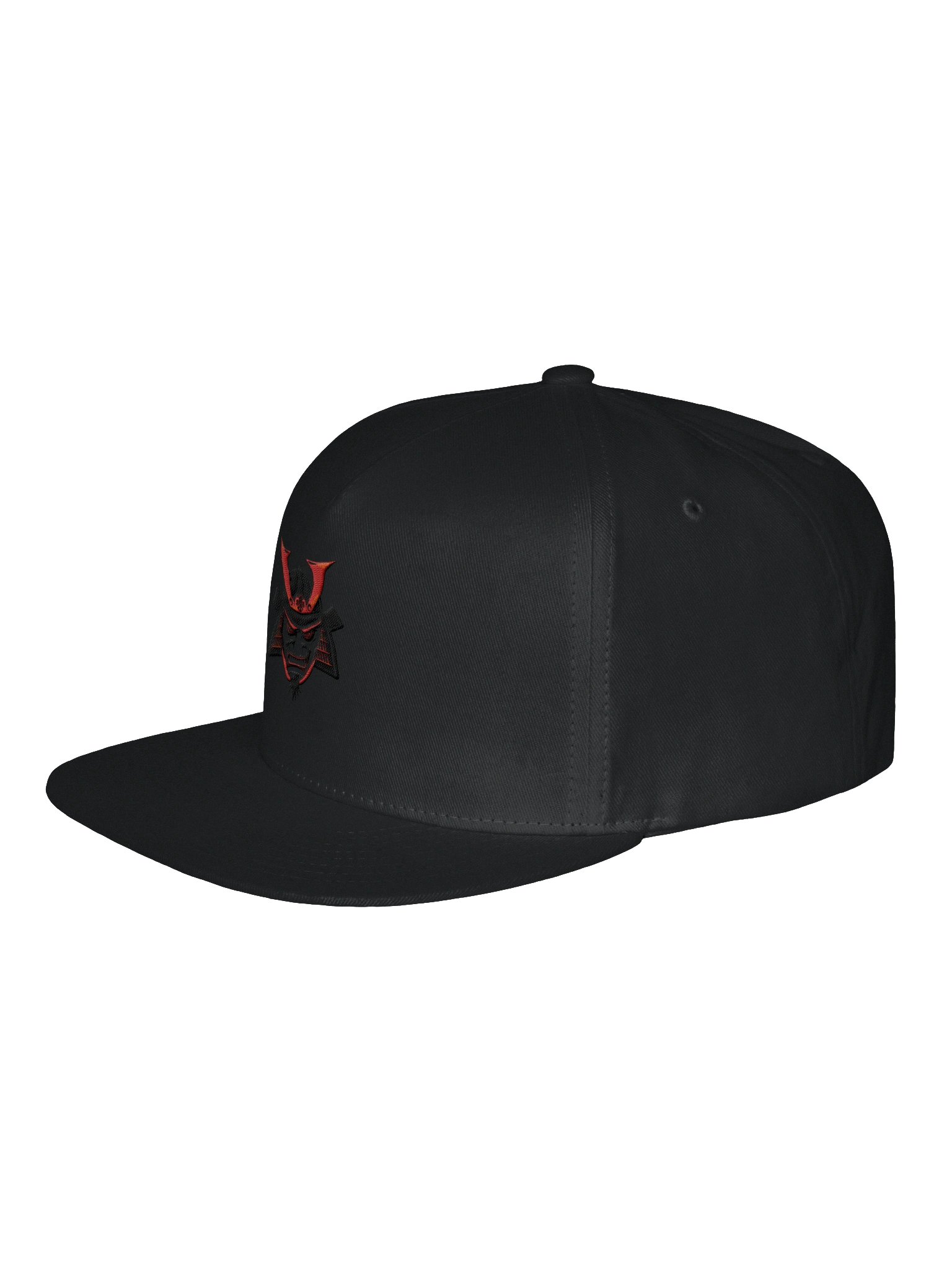
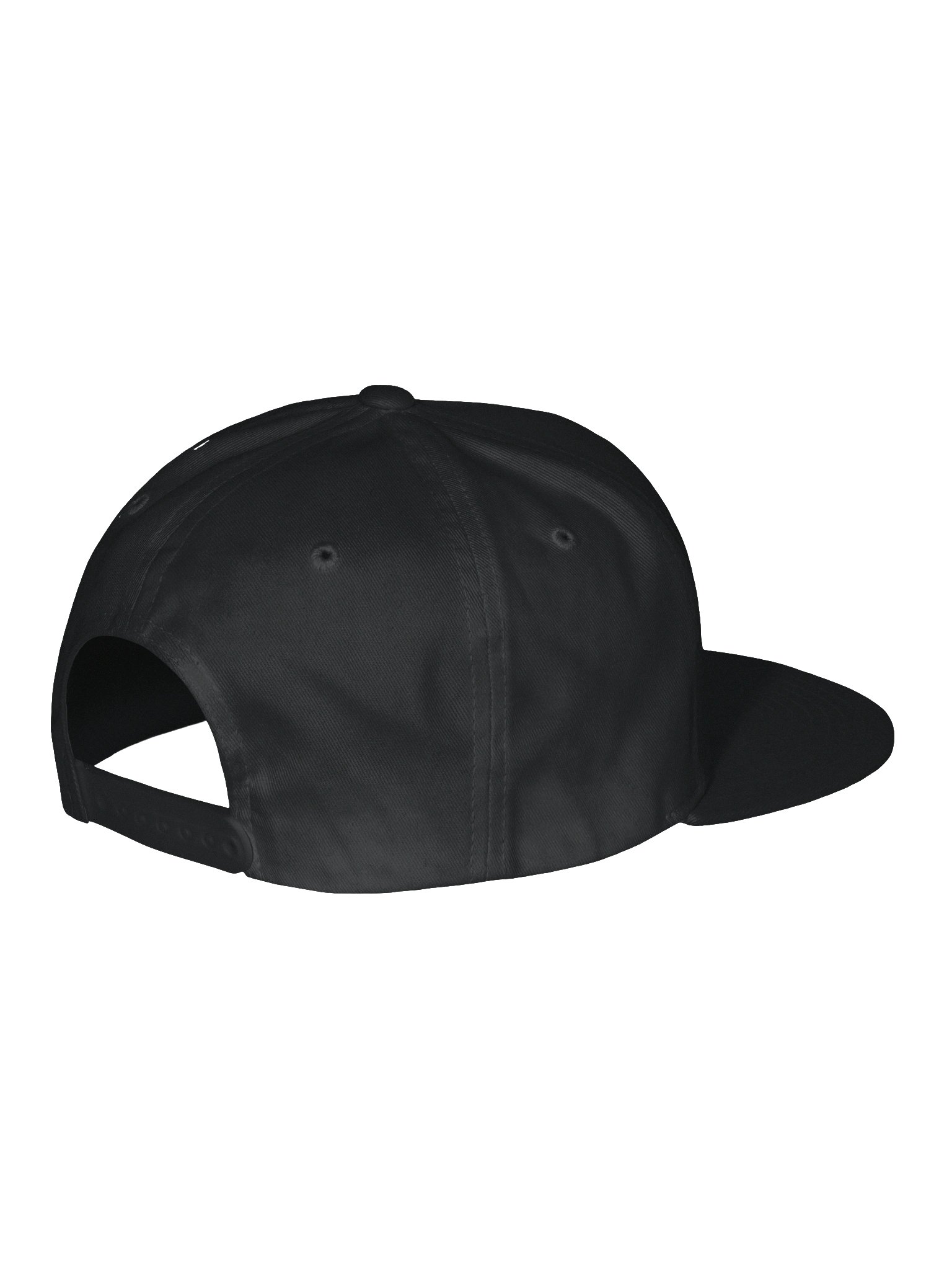
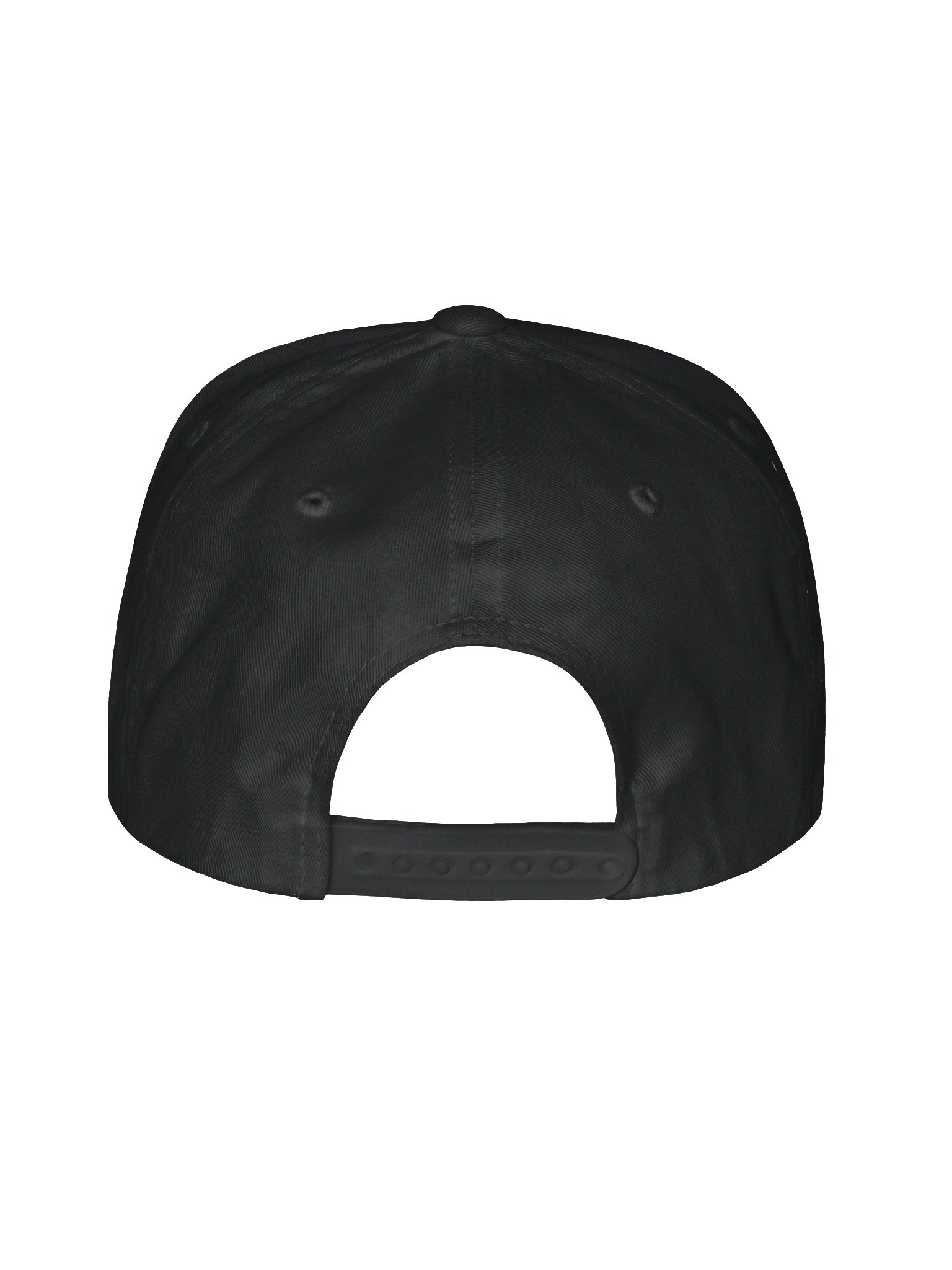
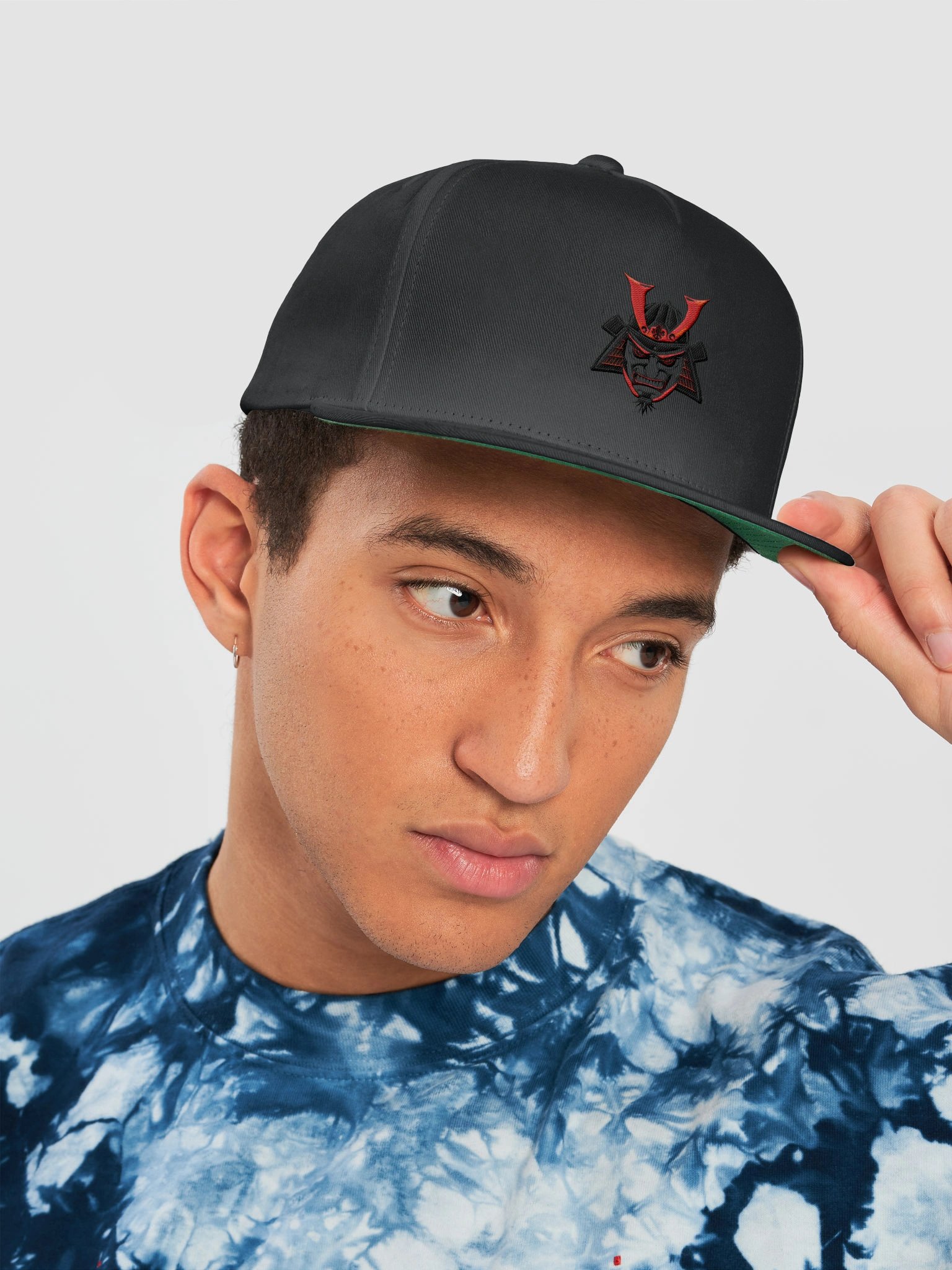
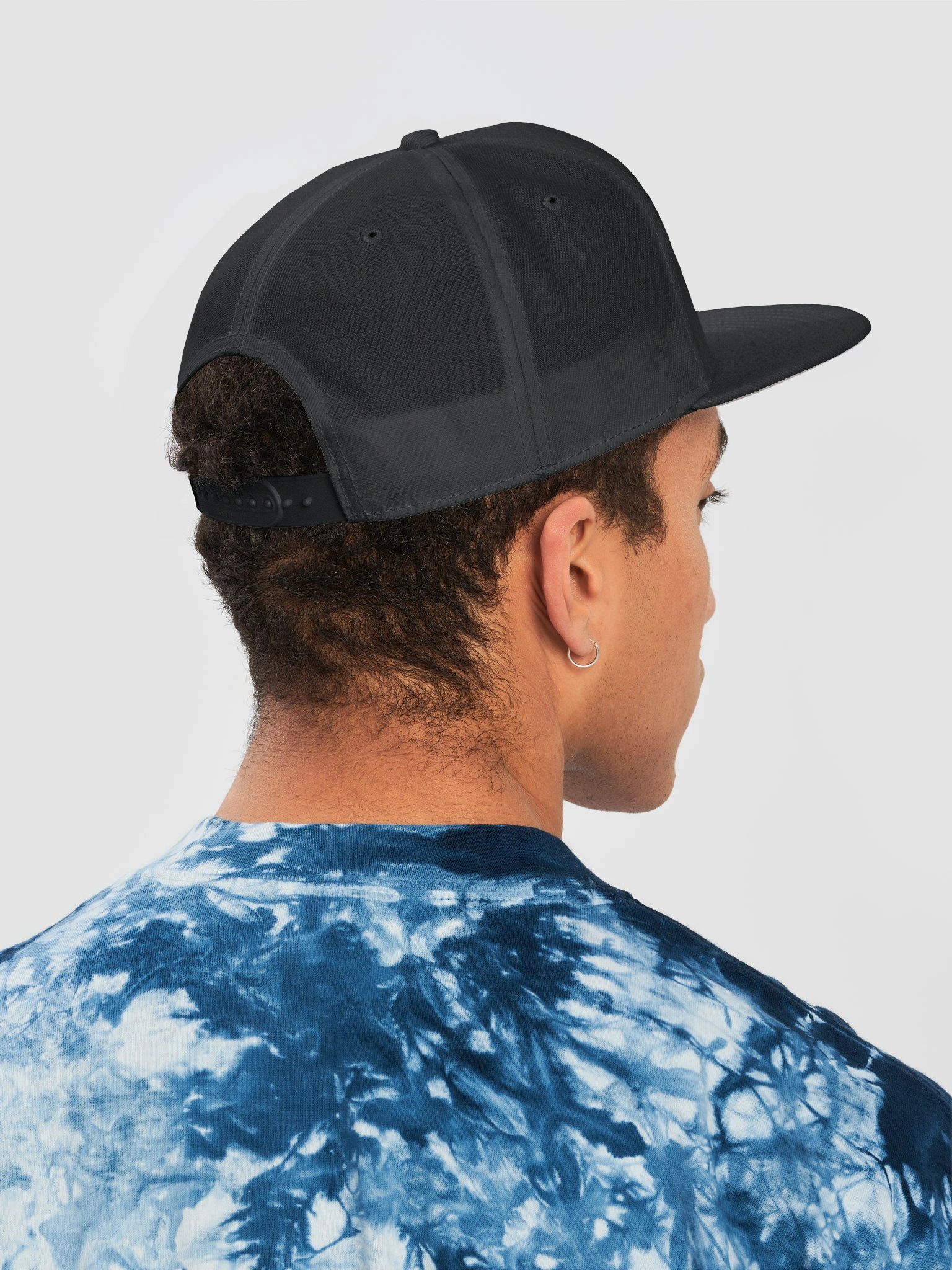
Embroidered Oni Mask Streetwear Cap - Dark Aesthetic Japanese Snapback Hat
Traditional Embroidered Samurai Oni Mask Premium Flat Bill Snapback Cap
Bring an armored edge to your daily wardrobe with our Red Samurai Mask Flat Bill Snapback Cap. Perfectly engineered for those who favor a darker streetwear look mixed with classic Japanese culture, this high-profile hat features a beautifully embroidered Oni samurai mask. The dark, detailed threads are brought to life by vibrant crimson horns and fierce glowing eyes, giving you a powerful focal point on an otherwise entirely stealth-black design.
Constructed from rugged 100% cotton twill, this sturdy flat bill cap is built to retain its sharp structural shape through heavy daily wear. It features an adjustable plastic snapback closure for a fully customizable, secure fit and is finished with a smart pop of retro style via its classic green undervisor—making it an excellent, versatile choice for styling up streetwear layers, hitting late-night community meetups, or representing on convention floors.
Key Features & Everyday Benefits:
-
Sturdy 100% Cotton Twill: Heavy-duty woven cotton offers a durable structure, a clean matte finish, and excellent all-day comfort.
-
Classic High-Profile Flat Bill: Delivers a timeless, structured streetwear silhouette that frames your look perfectly.
-
Traditional Green Undervisor: Features a retro-inspired green contrast under the brim to add a nostalgic touch to a modern design.
-
Adjustable Snapback Closure: Simple plastic snap adjustment ensures a secure, dependable, one-size-fits-most fit.
-
Detailed Red & Black Embroidery: Saturated crimson highlights make the intricate line work of the samurai helmet pop beautifully against the dark fabric.
Product Specifications:
-
Price: $20.00
-
Material: 100% Cotton Twill
-
Profile: High Profile, Structured Front
-
Visor: Flat Bill with a Green Undervisor
-
Closure: Adjustable Snapback
-
Sizing: One Size Fits Most
Embroidered Oni Mask Streetwear Cap - Dark Aesthetic Japanese Snapback Hat Size Guide
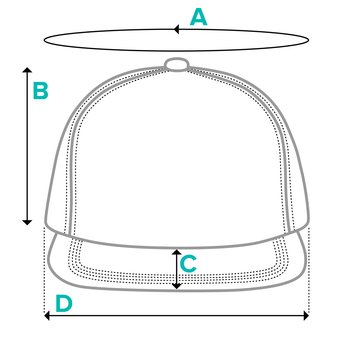
| Size label | A | B | C | D |
|---|---|---|---|---|
|
One size
|
18.9
|
4
|
2.4
|
79
|